Assistive Technology for Reading, Writing and Math
As teachers, nosotros're always looking for the next big thing to aid our students succeed in school. We're constantly looking for new ways to encourage our kids while reading, writing, playing, and socializing. When it comes to teaching children with disabilities, this tin get fifty-fifty more tricky. Assistive technology includes minor modifications to everyday classroom tools that allow children with disabilities to succeed. Assistive technology also offers the benefit of edifice on students' skills while as well familiarizing them with the technologies that they will exist able to use for success in the real world.
What is assistive applied science ?
Assistive technology is annihilation used to meliorate the capabilities of people with disabilities. These tools include a variety of no-, low-, and high-tech tools ranging from free to fairly inexpensive. These tools are like shooting fish in a barrel to access and empathise for most students and accept shown they improve classroom morale and grade-point averages.
When you cull to incorporate assistive technology into your classroom, you are deciding to make sure that each student has an equal opportunity to learn. For a child with disabilities, your classroom may exist ane of the just places they feel equal with those around them. You'll exist able to make sure your kids are feeling supported and understood. Not but will this improve their grades and keep them engaged while learning, simply it will also make a deviation in their lives and how they meet the world around them.
xiii ways to comprise assistive engineering in the classroom
1. Classcraft
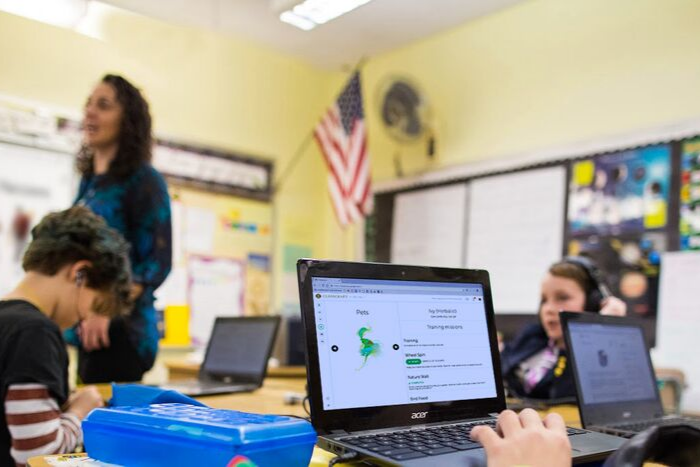
Classcraft is a fun and inventive way to encourage positive behaviors in your classroom while meeting your students' unique needs. This assistive technology tool incorporates video game elements that kids enjoy while the "game" itself is played through the interactions in the classroom.
The assistive elements tin exist seen in Quests, which plow your existing curriculum into personalized learning adventures. Students tin can go at their ain pace, you tin add together rich media like video, audio, images to help students learn concepts. Classcraft tin also be used to reward students for completing behaviors that you lot specify. You can choose to award your class with points they can use to level up their characters and learn new special abilities within the game. This is a groovy way to bring fun into the classroom while focusing on reinforcing positive behaviors that you lot want to focus on.
2. Closed captioning for visual media content
Closed captioning isn't but for students with hearing disabilities — information technology as well offers the benefit of helping students to recognize the human relationship between spoken and written words. This is an example of a gratis option that you lot can use to comprise assistive technology into your classroom. All you demand to do is use the commands on your remote to trigger information technology. There are often options to make the text larger, also, which benefits students with difficulty reading small text.
3. Variable speed recorders
Students with retentiveness problems or autism might have trouble focusing and remembering things that yous talk about in class. Additionally, information technology may exist hard for them to process what you are educational activity due to the speed or pitch of your voice. Variable speed recorders offer a smashing solution to these problems. They permit students the chance to play the day's lecture back as slowly as they like and at a tone they tin can understand. If they have difficulty understanding a portion, they can play it back repeatedly or utilise the audio as a reference when asking you for assist.
4. Timers
Many students with disabilities have problem managing their time in the schoolhouse day. You can use timers in a diversity of ways to aid your kids overcome this issue. Firstly, they might help a pupil to prepare for when information technology is time to switch tasks. This will greatly reduce or eliminate the stress placed upon them when it is time to shift gears.
On the other paw, timers are an constructive manner to be certain your kids aren't spending too much time on i task. You tin permit as much time as you recollect is necessary. If y'all notice some children are non meeting the bar you have set up, you will now have insight into who you need to focus more on.
five. Reading guides
Reading guides are a great solution for kids that have trouble focusing on the written word. These transparent guides are frequently dyed in bright colors and help to highlight the line in the book to focus on. They are easy to move around and will assistance the student in dedicating their attention only to the line they are working on. This is a low-tech and extremely inexpensive selection for your classroom; you'll find that information technology makes a huge difference!

6. Seat cushions
Students with sensory disabilities often struggle to remain in their seat, which affects their ability to larn. Seat cushions often offer enough mobility for these students to bounce and move effectually without leaving their chair. You'll find that students with these problems will be far better engaged and willing to learn with this accommodation. Consider combining it with other tools for the greatest benefit!
7. Modified calculators
Math can be a peculiarly tricky subject for many students with disabilities. Computer screens are often modest and can be hard to read for those with vision issues. For kids with dyslexia or other organizational disabilities, the guild of the numbers themselves tin create issues. There are many modified versions of traditional calculators designed to aid with these problems. For instance, at that place are talking calculators that help students check that they're typing the correct numbers into the device. In that location are also calculators with enlarged screens and text selections that brand it easier for those with vision disabilities to meet.
8. Alternate input devices
At that place are a wide variety of alternate input devices that you can utilise to incorporate assistive engineering science into your classroom. Some of these include affect screens, special color-coded keyboards, and modified joysticks that allow students to control with different parts of their bodies, like their feet or chin. This is a groovy fashion to give everyone a chance to participate in class activities in their own way. It volition teach kids with a broad variety of disabilities that they can do just about anything anyone else can with minimal modifications.
9. Spoken communication-to-text options
Speech-to-text is perfect for students with dexterity issues or for children who are blind. They requite students a way to respond with their vox then convert their comments into text. In that location are software programs that tin speak back, assisting with whatsoever potential errors. Utilise this option to consummate writing assignments or even to search the web. The opportunities this offers to children are endless!
10. Dissonance-eliminating headphones
Racket-canceling headphones are a cracking choice for children with sensory issues, especially when the environment of the classroom is too overwhelming for them. The pupil gets to enjoy the benefit of a quiet working environment without always leaving the classroom. This helps to prevent kids from getting overstimulated or distracted in a noisy classroom.
11. Audiobooks and publications
Children with vision disabilities benefit greatly from this assistive engineering tool. Audiobooks allow students to explore writing when they wouldn't otherwise be able to run across it. Utilise headphones for independent use or heed aloud with the unabridged form. The process of having a volume read to them creates a relaxing surroundings for younger children in particular. This is a great way to pb up to lunchtime or even to begin a course!
12. Laptops and tablets
These are great tools for children who have handwriting or dexterity problems. Word processing programs permit children to generate notes that are easier for them to review. Additionally, for kids with speech communication issues, there are apps and programs that tin convey emotions or needs. These text-to-voice communication programs are piece of cake to learn and brand a big difference in understanding the needs and emotions of children who wouldn't otherwise exist able to convey these things.
13. Graphic organizers
Graphic organizers help aid students in organizing their thoughts in a visual way. They work past helping students to map out the task at paw. This is most helpful when used with writing assignments, but it can conform to a variety of other situations.
Tools that can assistance every educatee succeed
Children with disabilities don't e'er have the easiest time in the classroom. The good news is that at that place are many modifications you can make to your lessons that will help each and every student to succeed. When you cull to invest in technologies that will help your students larn, you'll help these kids to grow into more resourceful and successful adults. School will no longer be a source of stress or resentment for them because each and every kid will feel accommodated and able to learn and abound alongside their classmates.
Photo: Google Edu
Assistive Technology for Reading, Writing and Math
Source: https://www.classcraft.com/blog/ways-to-incorporate-assistive-technology-into-the-classroom/
0 Response to "Assistive Technology for Reading, Writing and Math"
Postar um comentário